magic 3×2 K27: a seletiva europeia terminou em uma MD5 apertada
Best-of-five series are a proving ground for teams in regional qualifiers. When a European qualifier reaches a close MD5, the match evolves into more than a contest of mechanics — it becomes a test of adaptation, endurance, and decision-making under pressure. This article explores evergreen lessons from tightly contested MD5s and what they mean for teams, analysts, and fans on portals like PGL Astana.
Understanding the dynamics of a tight MD5
A best-of-five naturally emphasizes depth of preparation. Teams must be ready with multiple map strategies and contingency plans. In a close MD5, the outcome often turns on how well squads adapt between maps rather than on a single moment of individual brilliance.
Map veto processes and map pools shape the series from the outset. When teams enter a matchup expecting a full five maps, their preparation tends to cover both core maps and less familiar options. This breadth can lead to varied tactical approaches across maps, making momentum swings and stylistic mismatches more likely.
Tactical and individual factors that influence results
Adaptation is a decisive factor in long series. Between maps, coaching staff and players have opportunities to analyze tendencies and adjust. Effective mid-series changes can refute earlier weaknesses and force opponents into uncomfortable positions. Conversely, teams that struggle to pivot may find themselves repeatedly reacting rather than initiating play.
Individual resilience and role clarity are also crucial. Players who maintain composure and perform their roles consistently contribute to stable team play. In tight MD5s, small margins matter: decision timing, economy management, and coordinated utility use often determine rounds where both sides are evenly matched.
Preparation practices that help in prolonged series
Depth of strategy is essential. Teams that prepare multiple set pieces and adaptive defaults for each map can present fresh looks across a series. Training sessions that simulate long series conditions — including fatigue and momentum shifts — help players and coaches refine communication and timing under pressure.
Analytical preparation is another evergreen approach. Studying general tendencies and creating flexible game plans rather than rigid scripts allows teams to adjust on the fly. Preparing for opponents’ likely adaptations, and having secondary plans ready, minimizes downtime between maps and can swing narrow margins in a team’s favor.
Viewer experience and production considerations
A tight MD5 enhances viewer engagement by offering dramatic swings and narrative tension. For content portals, such matches provide material for analytical pieces that break down pivotal rounds, key tactical shifts, and turning points without relying on ephemeral statistics.
Production teams can support this storytelling with timely replays, map-specific breakdowns, and interviews that focus on process rather than isolated claims. Evergreen content that explains why certain tactical choices matter helps audiences understand the depth behind close series.
Broader implications for regional qualifiers
Tightly contested best-of-five matches highlight the competitive depth present in regional qualifiers. For organizers and stakeholders, such series underscore the value of formats that allow teams to fully express their range of strategies. For developing squads, these series are learning opportunities that reveal where to invest in coaching, map pool expansion, and mental preparation.
From a community perspective, close qualifiers generate lasting discussions about meta evolution and team development. Analyses grounded in general principles — like adaptation, economy management, and map preparation — remain useful references long after a specific match concludes.
Conclusion
A tight MD5 in a European qualifier offers timeless lessons about competition in Counter-Strike 2. Success in such series comes from a combination of strategic depth, mental resilience, and the ability to evolve mid-series. For teams, focusing on adaptive preparation and role clarity pays dividends. For analysts and fans, examining these matches through structural and tactical lenses yields insights that remain relevant across seasons.
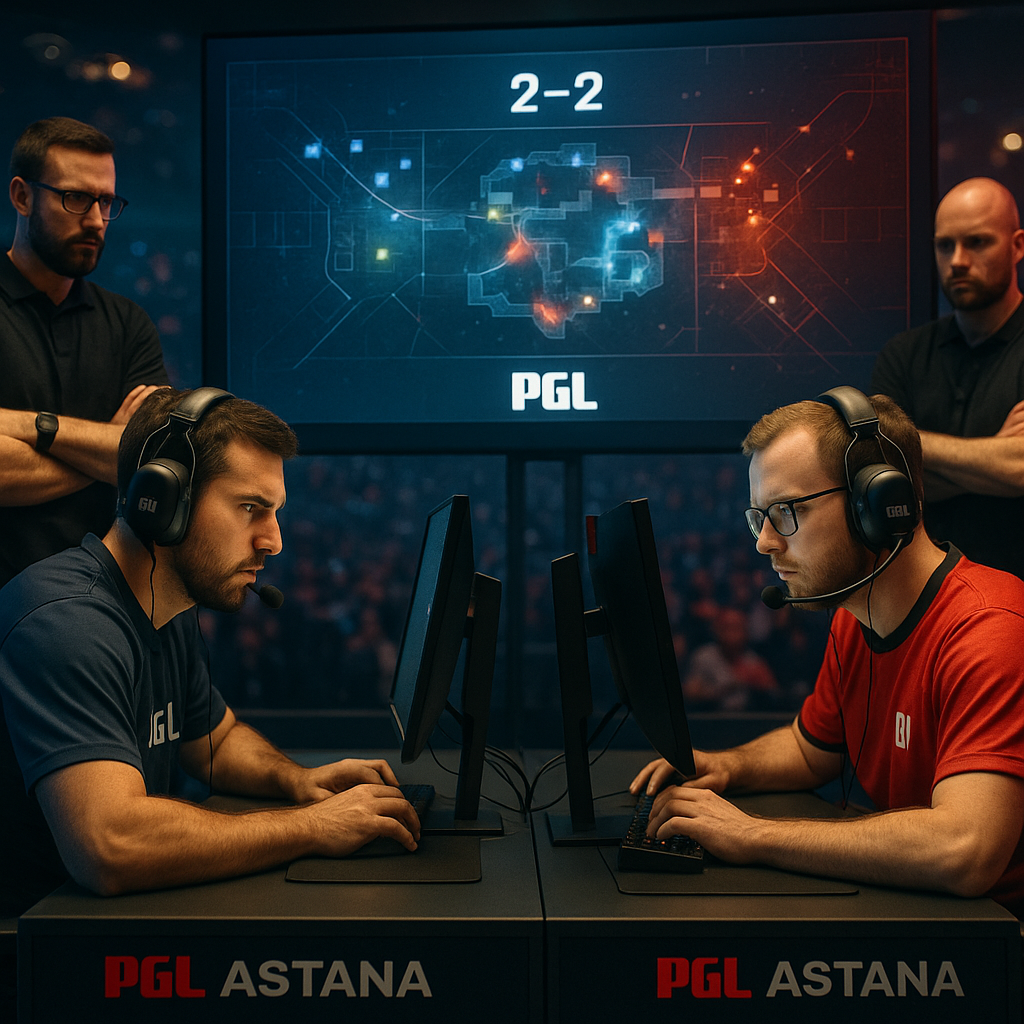
Portals covering regional qualifiers can contribute meaningful evergreen coverage by explaining the mechanisms behind close matches rather than emphasizing transient details. Such an approach enriches the audience’s understanding and preserves the educational value of memorable series.